
Key takeaways
- Split systems can be economical when you only need to cool or heat individual rooms.
- Ducted air conditioning can use more electricity when conditioning larger areas, but zoning gives you greater control over which parts of the home are running.
- Reverse cycle describes a system that can both heat and cool. It can apply to split and ducted systems.
- Evaporative cooling works differently from refrigerated air conditioning and can suit homes in hot, dry climates.
- The cheapest air conditioning system to run depends on the area you condition, system efficiency, sizing, zoning and how you use it.
Split, ducted, reverse cycle, evaporative. With so many terms used to describe air conditioning, working out which system suits your home can quickly become confusing.
Running costs make the decision even trickier. A split system cooling one room and a ducted system cooling most of a house aren’t doing the same job, so comparing electricity use alone doesn’t give you the full picture.
We’ll explain how the main air conditioning systems work, where each one makes sense and what really determines which option is cheaper to run.
What are the main types of air conditioning?
- Different systems are designed for individual rooms, multiple spaces or whole-home comfort.
- Your home layout, local climate and how often you use the system can influence which option suits you.
- Comparing how each system works makes it easier to weigh up comfort, efficiency and running costs.
Split systems
Split systems use an indoor and outdoor unit to heat or cool a specific room or area. They’re well-suited to targeted temperature control without conditioning the whole home.
Multi-split systems
Multi-split systems connect multiple indoor units to one outdoor unit. They allow you to condition several rooms individually while reducing the number of outdoor units required.
Ducted air conditioning
Ducted systems distribute conditioned air through a network of ducts and vents. They can heat or cool multiple rooms, with zoning available on suitable systems for greater control.
Evaporative cooling
Evaporative cooling draws warm outside air through wet cooling pads before circulating it through the home. It is particularly suited to hot, dry conditions.
Window air conditioners
Window air conditioners combine the system components into a single unit installed through a window or wall. They generally provide heating or cooling for one room or smaller area.
Portable air conditioners
Portable air conditioners can be moved between suitable rooms and vent warm air outside through a window. They provide a flexible option where permanent installation isn't practical.
Split, ducted and reverse cycle don’t mean the same thing
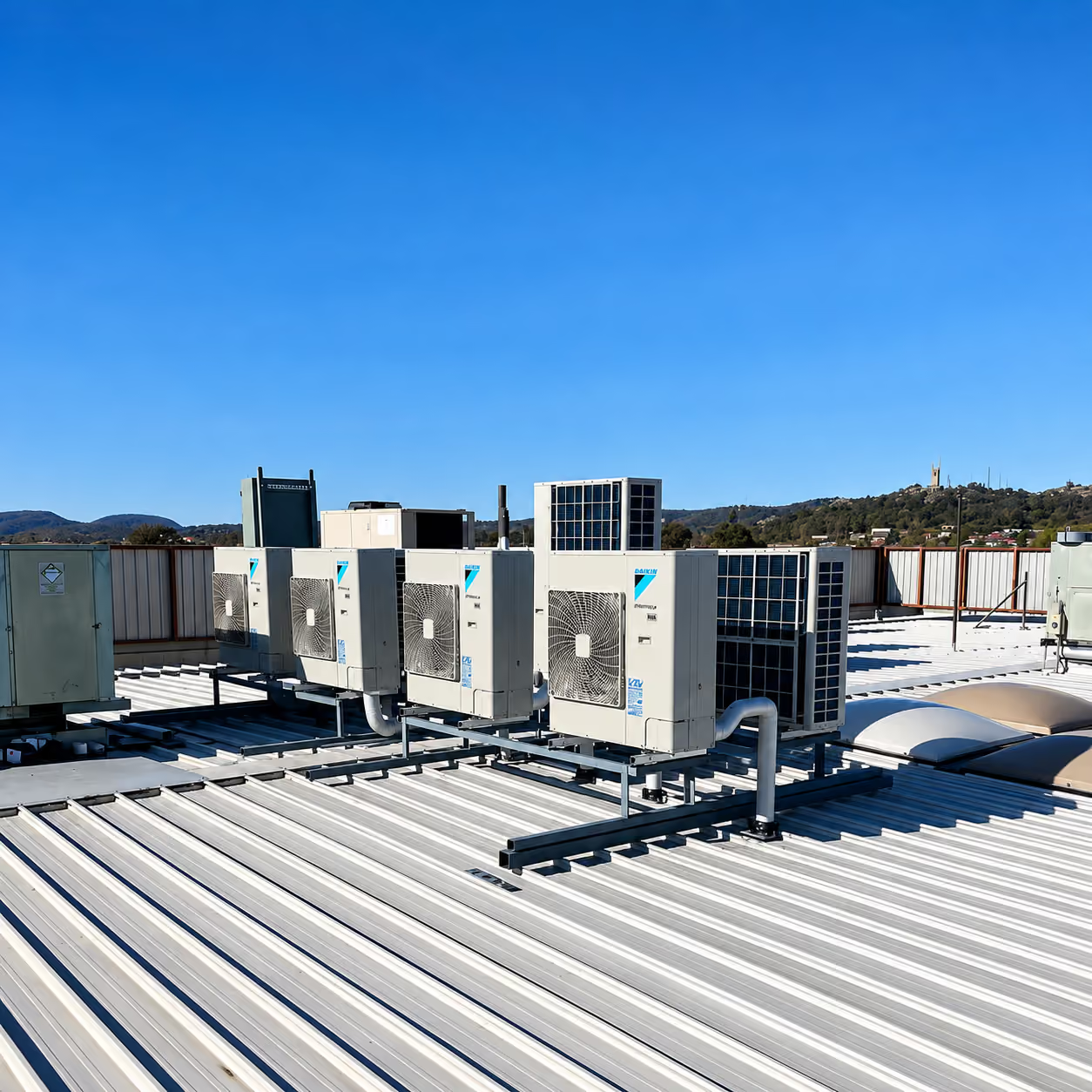
Air conditioning terms can get confusing because they don’t all describe the same part of a system. Split and ducted generally describe how conditioned air is delivered, while reverse cycle describes whether a system can both heat and cool. Inverter refers to how the compressor operates.
Understanding the difference makes it much easier to compare air conditioning systems fairly.
What does a split system mean?
A split system has an indoor unit and an outdoor unit connected together. It usually conditions one room or a defined area, although multi-split systems can connect several indoor units to a single outdoor unit.
What does ducted mean?
A ducted air conditioning system uses a central unit to distribute conditioned air through ducts and vents around the home. Depending on the setup, zoning can allow different areas to be controlled separately.
What does reverse cycle mean?
Reverse cycle air conditioning can both cool and heat your home. A split system can be reverse cycle, and ducted air conditioning can also use reverse cycle technology, so it isn't a separate system layout.
What does inverter mean?
Inverter technology allows an air conditioner to adjust its output as conditions change, rather than simply operating at full capacity and repeatedly switching off. This can help the system maintain a more consistent indoor temperature while managing energy use.
Which type of air conditioning is cheapest to run?
There’s no single system that is always cheapest to run. Your running costs depend on the area being conditioned, system size and efficiency, local conditions, and how you use it. Comparing systems based on the same cooling or heating task gives you a more useful picture.
Split system
Running cost: Generally lower for targeted areas
A split system can be economical when you only want to heat or cool one room or living area rather than the whole home.
Includes:
- Targeted room control
- Individual temperature settings
Multi-split system
Running cost: Varies with the number of rooms in use
Multi-split systems let you condition several rooms from one outdoor unit. Energy use will vary depending on how many indoor units are operating and the demand placed on the system.
Includes:
- Independent indoor units
- Multi-room temperature control
Ducted air conditioning
Running cost: Can be higher for whole-home use
So, is ducted aircon more expensive to run? It can be when you’re conditioning a larger portion of the home than you would with a single split system. Zoning can help by allowing suitable ducted systems to focus on the areas being used.
Includes:
- Multi-room or whole-home conditioning
- Zoned control on suitable systems
Evaporative cooling
Running cost: Can be lower in suitable conditions
Evaporative cooling operates differently from refrigerated air conditioning and can use less electricity in suitable hot, dry climates. Its effectiveness depends heavily on local weather conditions.
Includes:
- Whole-home airflow
- Fresh outside air
Window or portable air conditioning
Running cost: Depends on the unit and usage
These units may suit smaller or temporary cooling needs, but a low upfront cost does not necessarily mean a lower running cost. Capacity and energy efficiency still matter.
Includes:
- Single-room cooling
- Minimal permanent installation
Ducted vs split system air conditioning
Both can provide efficient heating and cooling, but the better fit depends on how many rooms you want to condition, how you use your home and the level of control you want.
Does ducted air conditioning use more electricity?
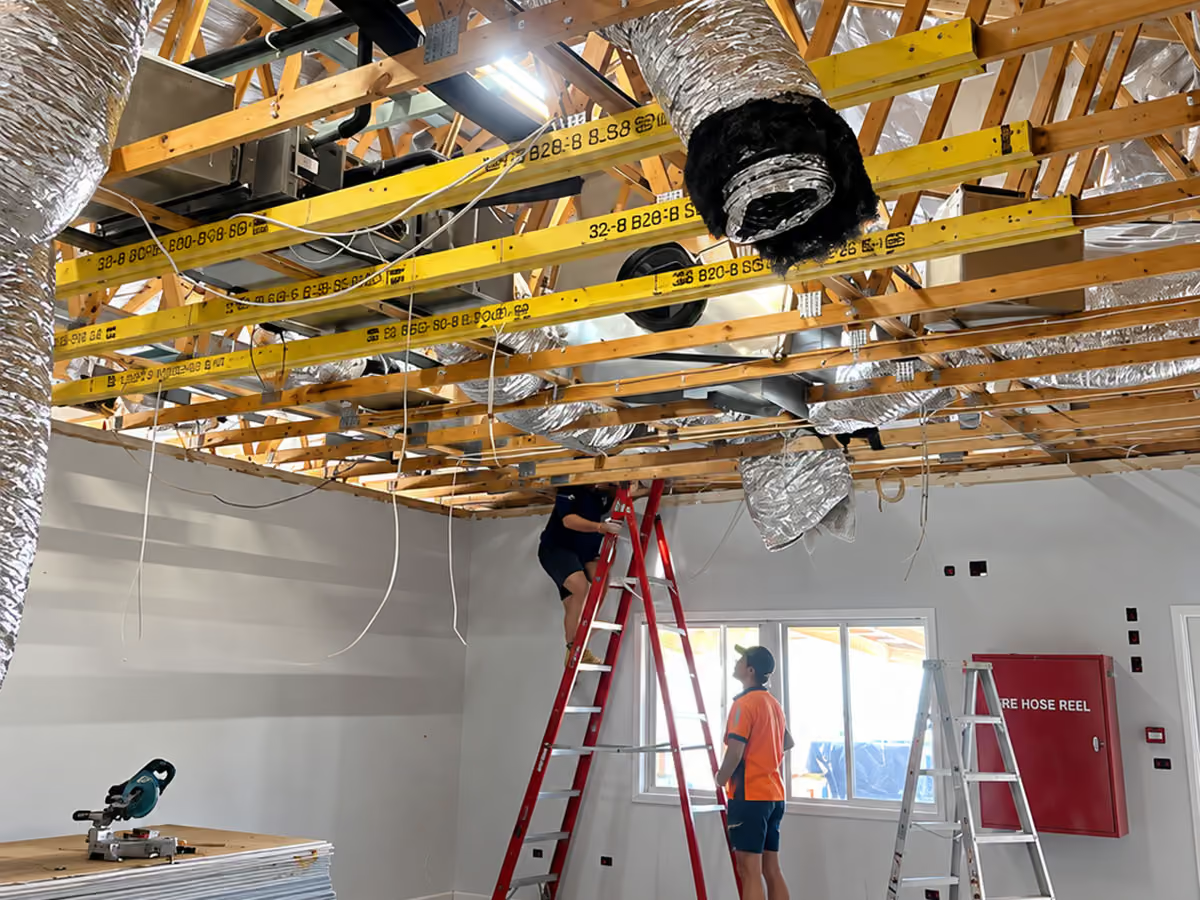
A ducted air conditioning system can use more electricity than a single split system, particularly when it is heating or cooling several rooms at once. But that doesn’t necessarily mean ducted air conditioning is less efficient. The two systems may simply be doing very different jobs.
A split system might only condition one bedroom or living area, while a ducted system can distribute conditioned air through a network of ducts across much of the home. Comparing their total electricity use without considering the area covered can therefore be misleading.
Several factors affect how much electricity a ducted system uses:
- Zoning: Closing unused zones can reduce the area the system needs to condition.
- System size: An appropriately sized system can operate more effectively than one poorly matched to the home.
- Ductwork: Well-designed and insulated ducts help minimise unwanted heating or cooling losses.
- Temperature settings: Asking the system to maintain a large difference between indoor and outdoor temperatures can increase energy use.
- Home efficiency: Insulation, glazing, shading and air leakage all affect how hard the system needs to work.
So, when comparing the running costs of ducted air conditioning with a split system, look beyond total electricity consumption. Consider how many rooms you actually want to heat or cool and how efficiently each option can provide that level of comfort.
What makes one air conditioner cheaper to run than another?
The system type is only part of what determines your air conditioning running cost. How well the unit matches your home, its energy efficiency, and how you use it can all affect how much electricity it consumes. These six factors can help you get more efficient performance from your system.
- 01
Choose the right system size
An undersized unit may work harder to reach the set temperature, while an oversized system may not operate as effectively as intended. Correct sizing starts with the room or home rather than simply choosing the biggest unit available.
- 02
Compare the energy rating
Energy ratings help you compare the efficiency of similar air conditioners. When choosing between systems with comparable capacity, check their heating and cooling performance for your climate zone.
- 03
Look for inverter technology
An inverter air conditioner can adjust its output as heating or cooling demand changes. Instead of continually operating at maximum output, it can reduce its workload once the room approaches the desired temperature.
- 04
Use zoning where available
Zoning can make a ducted system more flexible by allowing you to condition selected parts of the home. Rather than heating or cooling every available zone, you can focus on the spaces currently being used.
- 05
Reduce heat entering your home
Insulation, shading and closing doors and windows can reduce the amount of heat entering or escaping your home. That means your air conditioning system has less work to do to maintain a comfortable temperature.
- 06
Set a sensible temperature
Extreme thermostat settings can increase the workload placed on your system. Setting a comfortable temperature and allowing the air conditioner to maintain it can help manage energy use while keeping your home comfortable.
When is ducted air conditioning worth considering?
Ducted air conditioning isn’t automatically the right choice for every home. However, certain frustrations with room-by-room heating and cooling can indicate that a whole-home system is worth comparing. Here are some common situations and how ducted air conditioning may help.
You’re running several split systems at once
If multiple rooms regularly need heating or cooling at the same time, a ducted system can condition them through a single central setup.
Indoor units are taking up wall space
Ducted air conditioning uses discreet ceiling or wall vents, reducing the need for visible indoor units throughout the home.
Managing separate systems is becoming inconvenient
A ducted system provides centralised control, making it easier to manage heating and cooling across multiple areas.
You don’t use every room at the same time
Zoning with suitable ducted systems lets you choose which areas receive conditioned air, rather than treating the entire home as one space.
You want more consistent whole-home comfort
Ductwork distributes conditioned air across multiple rooms, which can suit households that regularly use several areas at once.
You’re unsure whether ducted will work in your home
Ducted installation depends on factors such as available roof space, layout and where the indoor unit and ductwork can be positioned. A site assessment can determine what is practical for your property.
Which air conditioner suits your home?
The right air conditioner depends on more than which system is cheapest to run. Think about how many rooms you regularly use, whether you want heating and cooling, your home’s layout and how much control you want over individual areas. A split system may make sense for one or two frequently used spaces, while ducted air conditioning can be more practical when you regularly condition several rooms.
Your local climate, insulation, available installation space and the capacity your home requires also matter. Comparing these factors alongside the upfront cost and expected running cost can help you choose a system that suits how you actually live, rather than simply choosing the option with the lowest advertised energy use.
Find the right air conditioning system for your home
Not sure whether a split, ducted, or other system suits your home? Trimech can assess your space, comfort needs and how you use each area to recommend an air conditioning setup that makes sense.
Frequently asked questions
Is ducted aircon more expensive to run?
It can be. A ducted system may condition several rooms at once, while a single split system generally serves one area. Running costs depend on factors such as system size, efficiency, zoning, temperature settings and how much of the home you condition.
Is ducted aircon more efficient than a split system?
Neither is automatically more efficient in every home. Split systems can be efficient for individual rooms, while ducted systems can suit households that regularly heat or cool multiple areas. The system’s energy rating, sizing and usage all affect efficiency.
Can split systems cool a whole house?
They can cool multiple areas if several units are installed, but whether that makes sense depends on the home. For households that regularly condition many rooms, it can be worth comparing multiple split systems to a ducted system.
Is reverse cycle different from a split system?
Yes, but the terms describe different things. A split system refers to the indoor and outdoor unit configuration, while reverse cycle means the air conditioner can both heat and cool. Many split systems are therefore also reverse cycle.
Is a window air conditioner cheaper than a split system?
A window unit may have a lower upfront cost in some cases, but that doesn’t automatically make it cheaper to run. Capacity, energy efficiency, room size and usage should all be considered when comparing ongoing costs.
Does zoning reduce ducted running costs?
Zoning can help manage energy use by allowing a suitable ducted system to condition selected areas rather than the entire home at once. The actual savings will depend on the system, zoning setup and how your household uses it.
Choose an air conditioning system that fits how you live
The cheapest air conditioner to run isn’t necessarily the same for every home. A split system can make sense when you mainly condition one or two rooms, while ducted air conditioning may better suit households that regularly heat or cool several areas. System size, efficiency, zoning, insulation and everyday usage all influence the final running cost.
Rather than comparing electricity use in isolation, consider what you actually need the system to do. Choosing an air conditioner that matches your home and how you use it can help you balance comfort, control, and ongoing energy use.
Table of contents

Glossary